
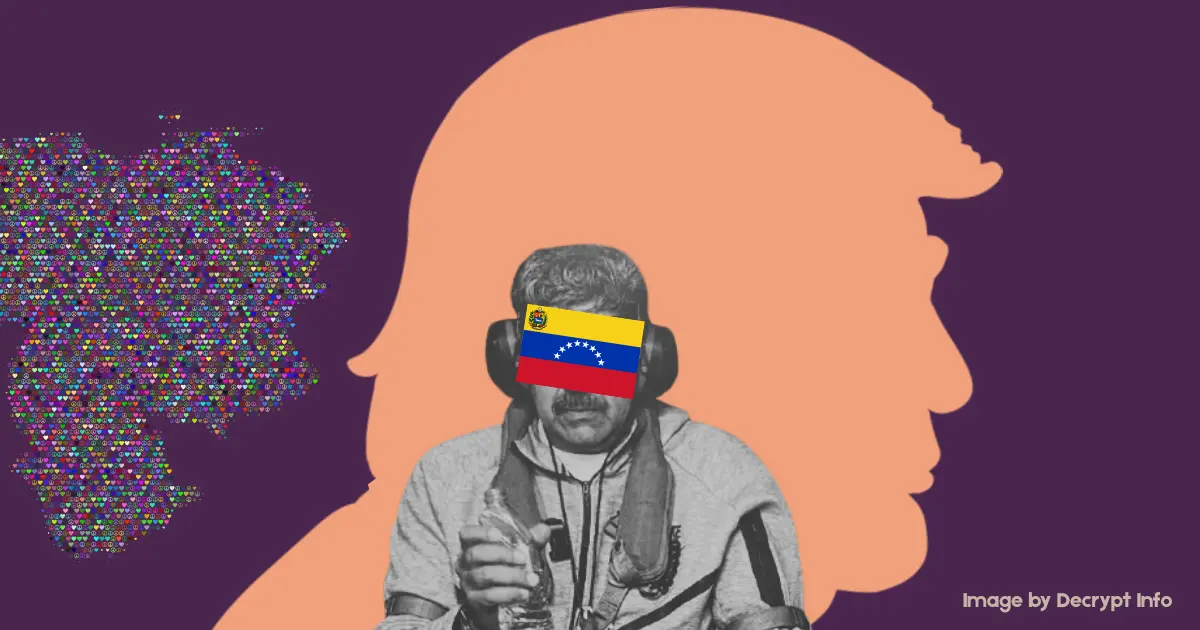
“Get your pig hands out of here, Donald Trump! Go home!” said Nicolás Maduro.
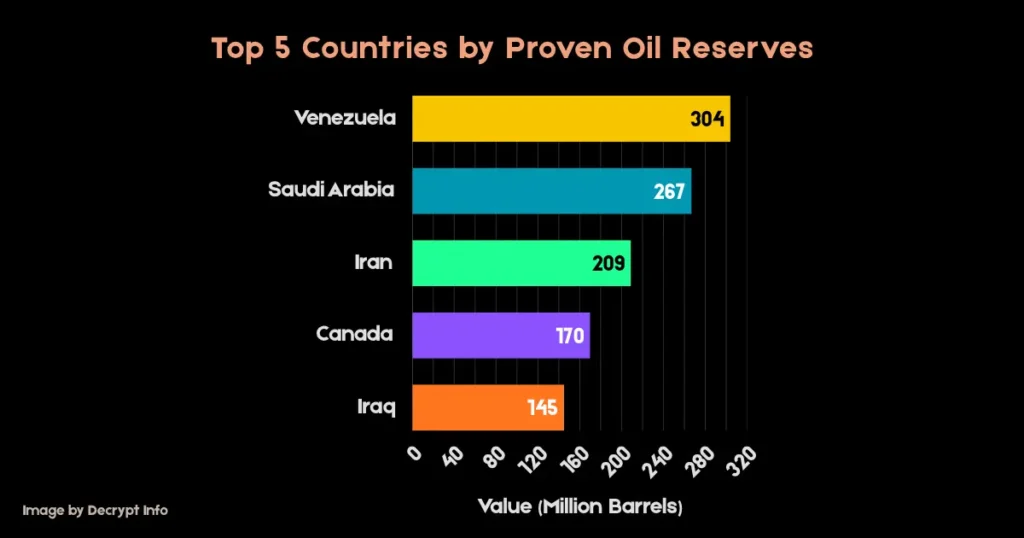
Often, these types of harsh exchanges occur between Caracas and Washington. Relations have long been tense when US forces attack Venezuela and capture Maduro. American authorities argued that the detention was made because of narco-terrorism and corruption. But critics say the US made his arrest through the lens of oil resources, not for drug charges. Here is a look at the background and reasons behind the conflict between America and Venezuela.
Table of Contents
When America and Venezuela Were Friends
During World War II, America and Venezuela were on the same side, as Allied Powers. Although Venezuela’s position was openly neutral, behind the scenes, it supported the Allies. A decade later, Washington called Venezuela its reliable partner. The U.S. Army worked alongside Venezuelan forces to train them. Caracas sought to buy American fighter jets, eventually securing a deal. Venezuela was a major oil supplier, and many US companies were working there.
The Beginning of the Conflict
The twist came in American and Venezuelan politics when Hugo Chávez emerged as a new leader with a different stance. Everything began to change. He was a person who had a different diplomatic approach towards foreign relations. Then, Hugo Chávez became president in 1999 and started to reject foreign influence on Venezuelan soil. He ordered U.S. military personnel to leave his country and gained control over the oil industry. At that time, Washington also started to counter and play its cards.
Roots of the Conflict
(1) Political Differences
American authorities criticized Hugo Chávez for undermining democracy. Chávez rejected the U.S. claims and also warned Washington to stay out of Venezuela’s internal affairs. The dispute continued. Years later, Washington accused Maduro of electoral fraud.
(2) U.S. Sanctions
Another factor for fracturing the ties between them was Washington’s sanctions. The U.S. Congress imposed sanctions on Venezuelan leaders, the financial sector, and the oil industry. Washington argued that Venezuela was undermining democracy and human rights. Venezuela claimed that this was not the point of the sanctions; the real reason was something else: its oil resources.
(3) Foreign Alliances
As sanctions increased in Caracas, Chávez reached out to Russia and China. Then came the real test. Under Nicolás Maduro’s leadership in 2019, there was an economic crisis. The U.S. put more sanctions, hoping that Maduro would resign, but China saved Maduro. Beijing became the largest buyer of Venezuelan oil. So Chinese influence in Latin America began to grow. The U.S. could not remain silent on this influence and raised concerns with Venezuela. This also became a factor in the breakdown of relations.
Key Events That Escalated the Conflict
1999:
Hugo Chávez was elected as president. Anti-American policies began to take shape during his tenure.
2002:
Hugo Chávez was removed from his presidency in a coup attempt. However, the attempt failed due to loyal supporters and key military backing.
2013:
Nicolás Maduro came into power. The relations with China, Russia, Iran, and other factors like economic crisis and inflation led to a breakdown in diplomatic ties with the US.
2017:
Donald Trump issued major sanctions against Nicolás Maduro’s government. The sanctions caused severe economic hardship for the Venezuelan people, and Maduro’s stance against the US became stronger.
2019:
Washington recognized the interim president Juan Guaidó and supported him. Maduro was unhappy with this stance and warned the US to stop interfering in internal affairs.
2026:
The American military launched Operation “Absolute Resolve” against Maduro. More than 150 aircraft were involved in this operation, and they arrested Maduro from his bedroom.
Final Thoughts
In world politics, today’s ally can become tomorrow’s rival. The relationship between America and Venezuela was not always strained. Some analysts believe that Caracas leans toward China and Russia, straining relations with the US. But some critics point out that Venezuela’s oil resources were the main reason. Analysts suggest that Washington may gain leverage from Venezuela’s oil under Trump’s supervision. At the same time, Venezuela will be free from sanctions and will have an economic boost.